The AECY Lab


Daniel Martinez HoSang
Daniel Martinez HoSang is a Professor of American Studies and holds secondary appointments in the Department of Political Science and in the Yale School of Medicine Section of the History of Medicine. He is an interdisciplinary scholar of racial formation and racism in politics, culture, and the law. Is the author, co-author or co-editor of six books, including A Wider Type of Freedom: How Struggles for Racial Justice Liberate Everyone (University of California Press, 2021). Within the history of science and medicine, his scholarship and teaching examine the role of elite universities, including Yale, in advancing the eugenics movement in the US, and the role of such critical histories in educating scientists and clinicians today. He is the faculty PI for the Eugenics and Its Afterlives Lab and an Advisory Committee member for the Critical Histories Lab at Yale School of Medicine. He has led workshops and presentations on the history of eugenics and its afterlives at Yale for more than two dozen units on campus in the life sciences, humanities, and the Yale School of Medicine. He teaches the course “Eugenics and its Afterlives” at Yale College as well as to incarcerated students through the Yale Prison Education Initiative and K-12 teachers in New Haven Public Schools through the Yale New Haven Teachers Initiative. He also leads sessions for K-12 educators on the histories of eugenics, racism, and the university, including workshops utilizing special collections in Yale archives.
Tenzin Dhondup
Tenzin is a senior at Yale College studying both the History of Medicine and Ethnicity, Race & Migration. With the Collective, he is focused on responding to how science has been employed to justify social inequality through curriculum reform at Yale. He has worked to make anti-eugenic changes to the introductory biology curriculum at Yale, and has presented this work to biology professors, fellow students, and at a joint conference between University College London and Yale University. At Yale New Haven Health Systems, he and his team removed 57 race-based healthcare tools and algorithms that normalize racial differences and health inequities, reaching over 2 million patients each year. In confronting the afterlives of eugenics, he is passionate about immigration and asylum reform and justice; working with humanitarian and refugee resettlement organizations like the UNHCR in Eastern Europe, the Tibetan Government in Exile in South Asia, Physicians for Human Rights in the Americas, and immigrant assistance organizations and coalitions in New Haven
Modupe Karimi
Modupe Karimi is a senior in Yale College studying History of Science, Medicine, and Public Health. This is her third year working with Professor HoSang and the Anti-Eugenics Collective at Yale, where she is focusing on making changes to the introductory biology curriculum here at Yale. She has presented this work to biology professors, fellow students, and at a joint conference between University College London and Yale University.
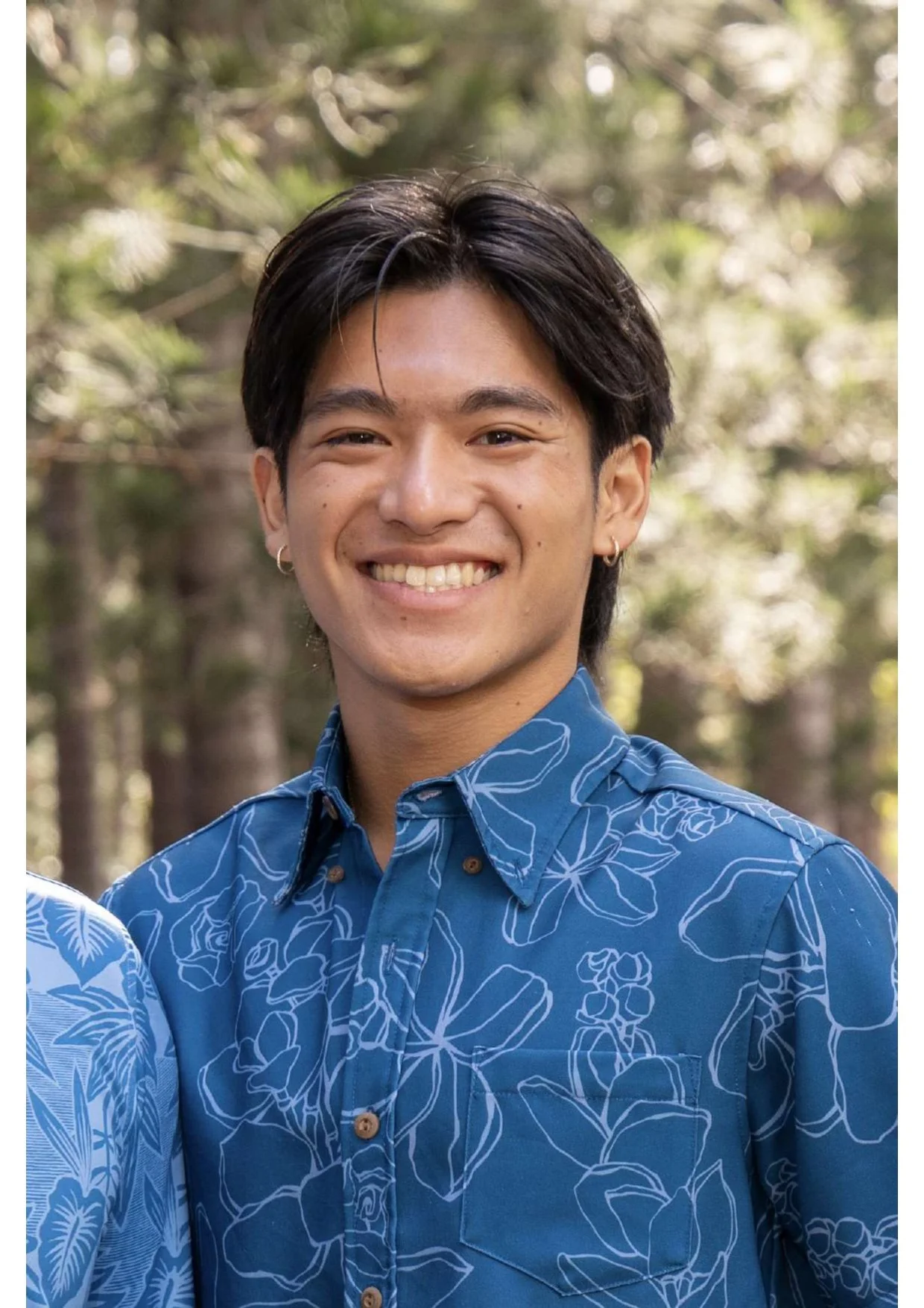
Joshua Ching
Joshua (he/him) is a senior at Yale College studying Political Science and Ethnicity, Race, & Migration. At the Collective, he is researching Yale University’s historic expeditions, collection practices, and repatriations in Hawai‘i and across Oceania. This research is deeply tied to his on-campus activism — during his time at Yale, Joshua led negotiations to remove offensive plaques commemorating Pacific-bound missionaries, aided with the repatriation of Native Hawaiian ancestral remains from the Peabody Museum, and founded the University’s first Pasifika student organization. Through the Collective, he hopes to advance institutional accountability between Yale and Indigenous communities globally.
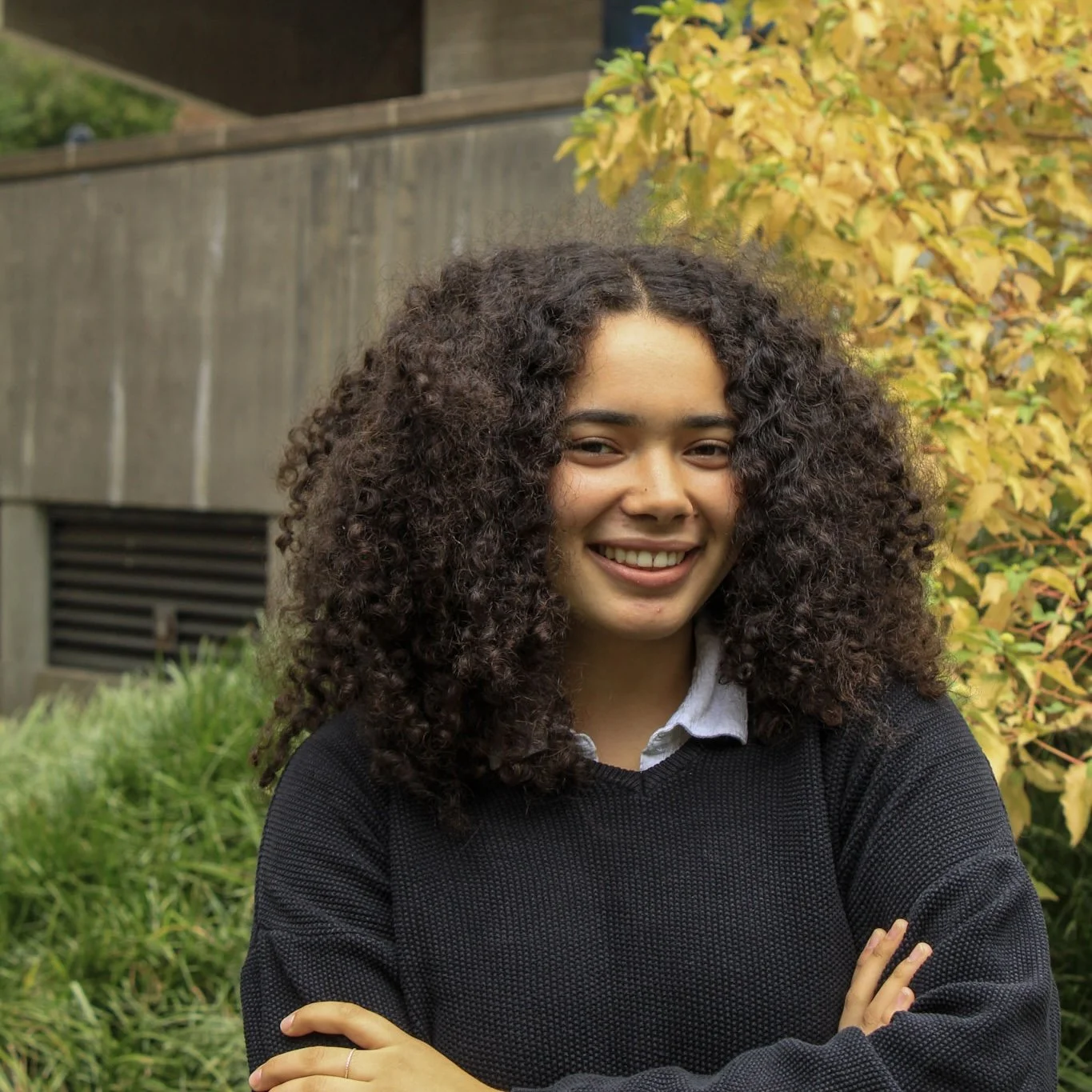
Elsa Holahan
Elsa Holahan is a junior studying American Studies and is from New Haven, Connecticut. Her work in the AECY began in high school where she participated in the “Teaching About the History of Eugenics: Racism and Resistance” working group where she created curriculum to accompany the Black and Latino Studies course in Connecticut public high schools. At Yale and through the collective, Elsa is interested in the combined study of eugenics and prisons, and hopes to build upon her research exploring the role of violence and militancy in both prison- and state-making, as well as resistance efforts from grassroots movements as a Mellon Mays and Bouchet Undergraduate Research Fellow.
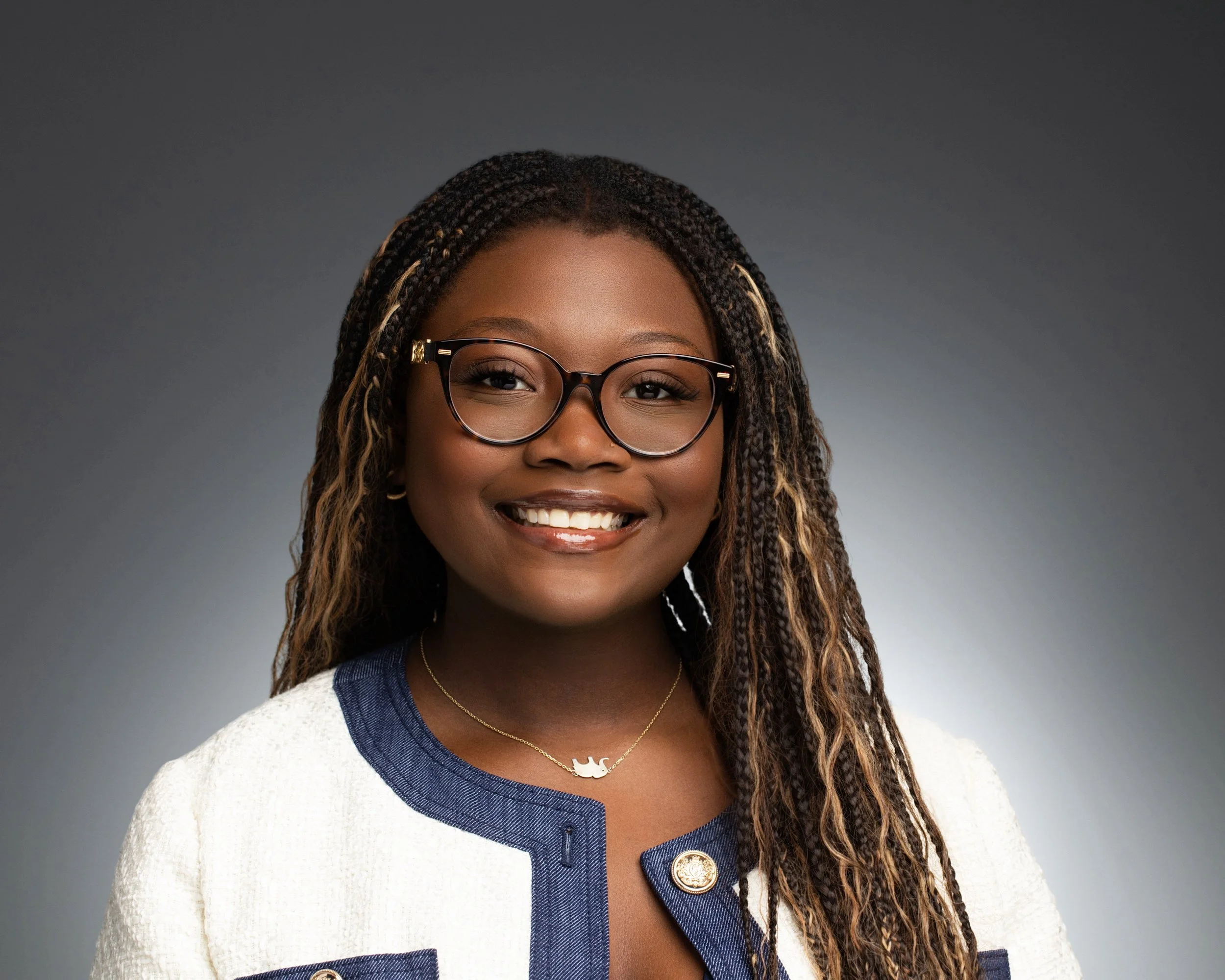
Jaylen Moment
Jaylen Moment (BF ‘27) is a History of Science, Medicine, and Public Health major from Fayetteville, North Carolina. As an individual who became a Certified Nurse Aide in high school, she has always been passionate about improving overall outcomes for individuals, fueled by her family discussing with her the various racial disparities they have endured. As a member of the Anti-Eugenics Collective at Yale (AECY), she is interested in learning how the historical afterlives of eugenics have established the precedent for modern-day public health disparities, such as in the carceral system. She has experience with research, statistical data analysis, and geospatial mapping. At Yale, she will be enhancing her knowledge by working in labs that focus on mitigating health disparities utilizing community-based and historical approaches, such as the AECY, the Leith Lab, and the Community Healthcare Van which delivers essential healthcare services to local neighborhoods. In her free time, she loves stepping with Yale Steppin’ Out, having lighthearted discussions at the Afro-American Cultural Center at Yale, and participating in public service with the Prestigious Pi Alpha Chapter of Delta Sigma Theta Sorority, Incorporated.
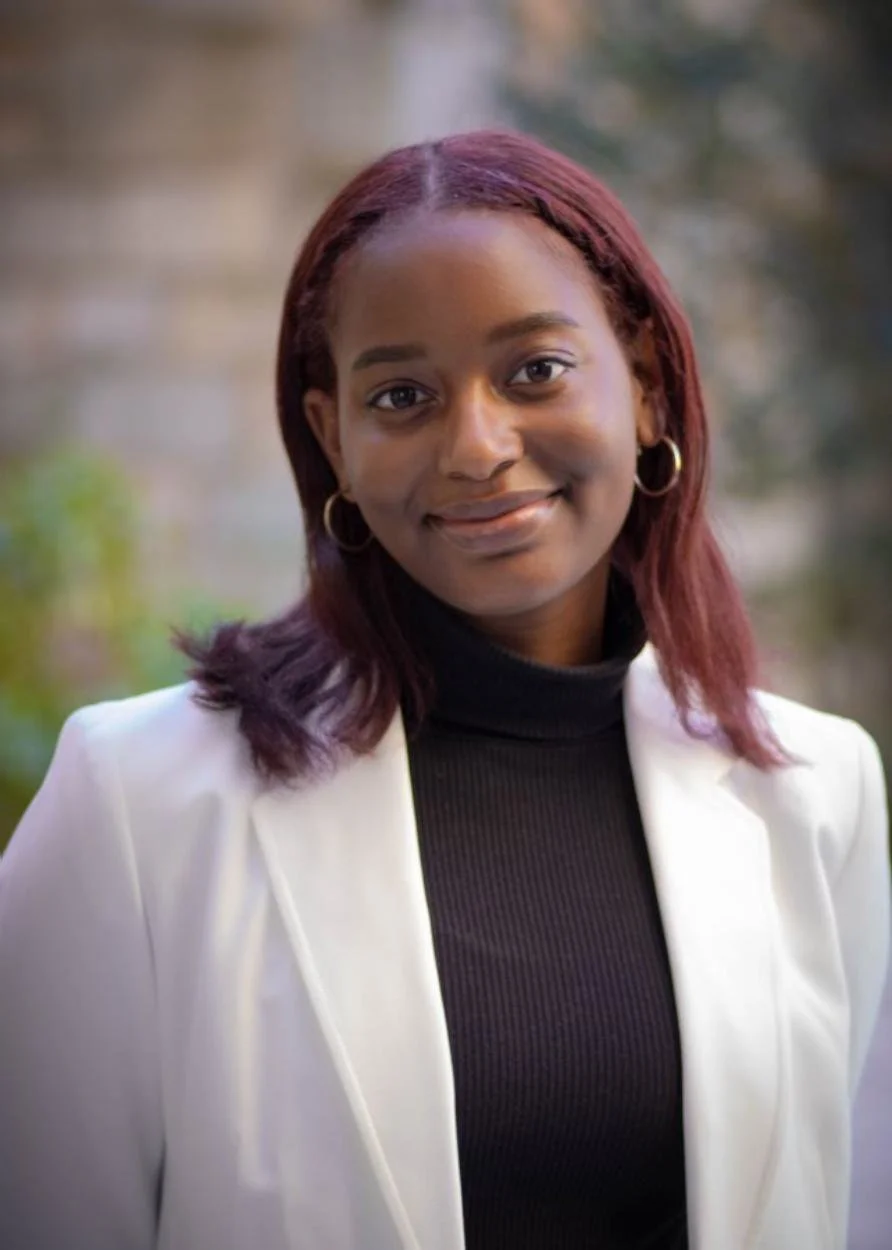
Hanifah Ouro-Sama
Hanifah is a junior at Yale College studying Molecular Biophysics & Biochemistry and Global Health Studies. This is her second year working with Professor HoSang and her first year with the Anti-Eugenics Collective at Yale. Her work focuses on reimagining and implementing an anti-eugenic introductory biology curriculum at Yale, while also investigating the institution's historical ties to the American eugenics movement. Through this work, she aims to help create a new generation of scientists committed to ethical research practices.
Sabrina Zheng
Sabrina is a sophomore at Yale College studying Political Science and Ethnicity, Race, & Migration. At Yale, she is broadly interested in understanding the roots of oppressive systems that impact Asian and other marginalized communities, followed by reimagining how it can be transformed into justice and just futures. At the Lab, she hopes to assist with the Lab’s New Haven teachers initiative and Peabody Museum student exhibition to advance our understanding of how eugenics and its legacies affects educational systems and marginalized communities. Outside of the Lab, she works as a History Staffer at the Yale Women’s Center, Yale Undergraduate Prison Project Advocacy Co-Head, and as a Matriculate Advising Fellow